01 How can I help my child build their communication skills at home?
You don’t need flashcards or special toys. The best language lessons are already hiding in your day.
Narrate daily routines
Everyday routines are full of natural chances to build vocabulary. At bath time, narrate simple actions — Let’s fill up the tub,
Look at the water!
or We need soap!
— to connect new words to real experiences without any pressure.
Read books early and often
Long before children recognize printed words, they’re learning how reading works. Exploring pictures, holding a book right-side up, and turning pages are all vital pre-literacy milestones that build the foundation for lifelong reading.
Meet them on the floor
Get down on the floor and let your child lead. Curiosity and hands-on play are how early learning happens. As you play, narrate what you’re both doing: The car goes fast,
That apple is yummy,
The baby is tired.
02 Will teaching my child sign language delay their talking?
Not at all! Signing does the exact opposite — it gives speech development a major boost. Here’s why:
Toddlers can coordinate hand gestures months before their mouths can form clear words.
Getting their needs met through signs teaches children that communicating works.
Your child knows what they want but may not yet know how to say it. A sign relieves that everyday frustration — for both of you.
Try this: Say the word every time you sign it. The sign is a bridge, not a replacement — as the spoken word arrives, children naturally let the sign go.
03 Should I correct my child every time they say a word wrong?
No. Frequently telling a toddler No, that’s wrong
or making them stop and repeat a word (Say ‘car,’ not ‘tar’
) can quickly turn talking into a high-pressure performance. Over time, constant correction can lead to frustration, anxiety, or reluctance to speak at all.
Instead, acknowledge the message, model the word, and keep the play moving. SLPs call this recasting. It looks like this:
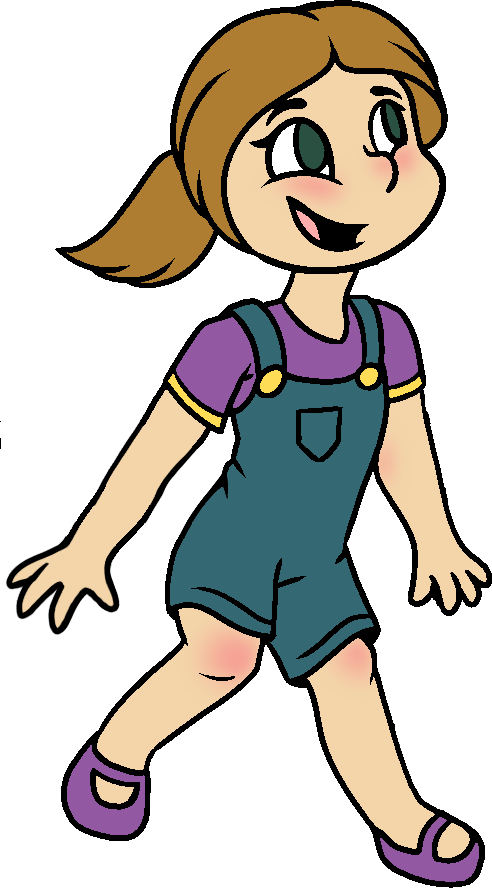
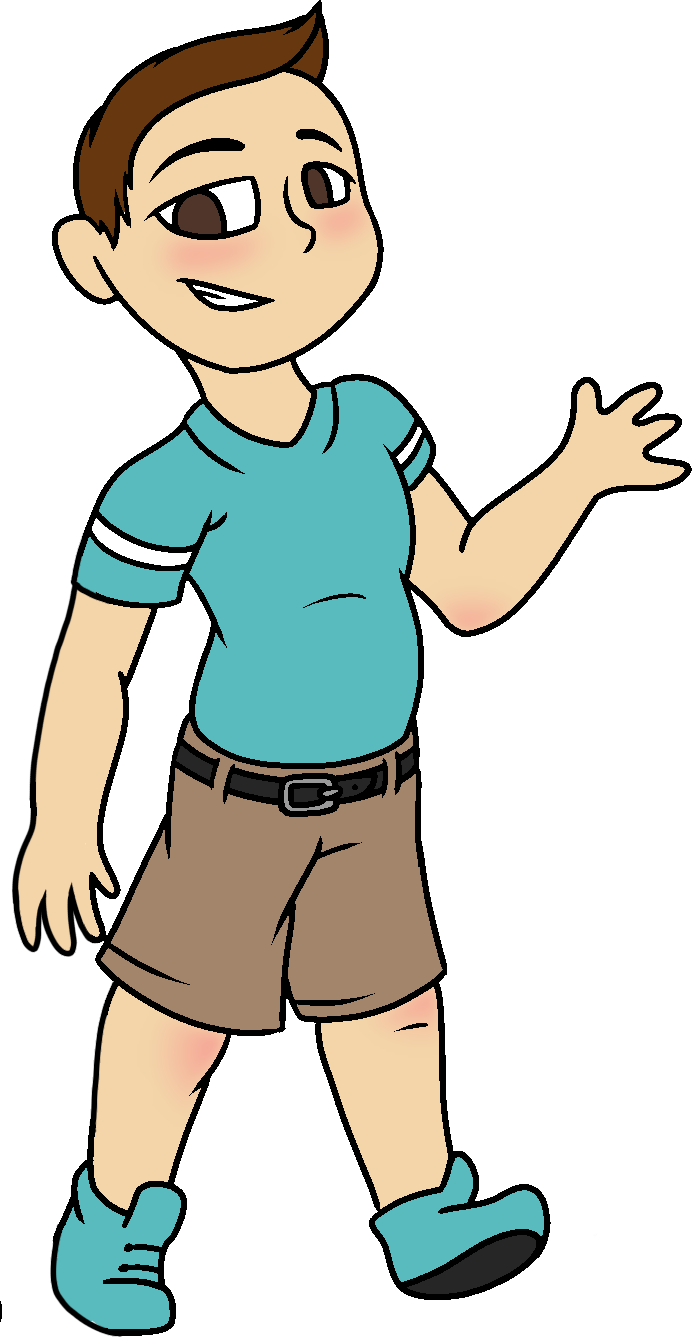
No — say car. Say it again.
Yes, a car! A big red car!
Why it works
- It keeps the focus on connection. Your child learns that their ideas matter, which builds confidence.
- It reduces pressure and frustration. Children naturally want to communicate; removing the fear of being “wrong” keeps conversations fun and frequent.
- It provides the model without the demand. Children need to hear a sound modeled hundreds of times before their mouth muscles can coordinate to produce it. Recasting supplies that model without putting them on the spot.
04 My child understands a lot, so why aren’t they talking more?
Think of language like a sprout. Long before you see much above the soil, a whole root system is growing underneath. The words your child understands are the roots; the words they say are the shoot that comes later.
- Understanding comes first. Hearing a word and knowing what it means is much easier for a developing brain than finding that word and saying it unprompted.
- Mouth muscles need time to practice. Speaking takes incredible coordination between the lips, tongue, and breathing. The thought is often ready long before little mouths can form the sounds.
- Body language is doing the heavy lifting. If pointing, reaching, and leading you by the hand get them what they need, they simply haven’t needed words yet — their non-verbal system is already working!
05 What counts as a word?
More than you might think! A sound, a sign, or a word approximation (like ba
for ball) counts as a real word if it follows the golden rule of the 3 C’s:
Consistent
Your child uses the same sound or gesture for the same thing across different days.
Contextual
It clearly refers to a specific object, person, action, or idea — not random babbling while staring at a wall.
Clear intention
Your child uses it on their own to communicate, not just as an immediate, prompted repetition (Say ball… ball
).
Example: If your toddler says wawa
every time they want a drink, points to the cup, and says it without being asked — that’s a word. Count it and celebrate it!